

 Member
Esther
Member
by Esther

말해야 할 때와 침묵 해야 할 때
27 September, 2026 in 월요 만나
By Robert J. Tamasy
최근 한 비즈니스 소셜 네트워크 플랫폼에서 본 문구가 제 눈길을 끌었습니다. 내용은 이러했습니다. “부모님은 껌을 삼키면, 뱃속에 7년 동안 남아 있을 거라고 말씀하셨습니다. 선생님은 수박씨를 실수로 먹으면, 몸속에서 수박이 자랄 거라고 말씀하셨습니다.
하지만 아무도, 꼭 해야 할 말을 삼키고 참으면, 그 말이 7년보다 훨씬 오래 마음속에 남아 있고, 어떤 식물보다도 더 거칠게 자라날 것이라고 말해주지 않았습니다.”
A quote on a professional social networking platform recently caught my eye. It read like this: “My parents told me if I swallowed bubblegum, it would stay in my stomach for seven years. My teacher told me if I accidentally ate a watermelon seed, a plant would grow inside me. No one, however, told me that if I swallowed back the words I needed to say, they would linger far longer than seven years, and grow far wilder than any plant.”
이 글은 여러분에게 어떤 의미로 다가옵니까? 저는 마음속에 어떤 생각이 있거나 저를 괴롭히는 무언가가 있다면, 그 말을 속에 담아둔 채 말하지 않는 것보다 표현하는 것이 낫다는 의미로 이해합니다. 그러나 저는 그것에 동의하는지 확신하지 못하겠습니다. 적어도 항상 그렇지는 않습니다.
What does that say to you? I understand it to mean that if I have something on my mind, something that is bothering me, it would be best to express it than to keep the words internalized, unspoken. I am not sure I agree with that – at least not always.
우리가 생각하고 있는 것을 말하는 것이 정당하고, 심지어 바람직한 때도 있습니다. 불만이나 염려, 의견, 우리를 화나게 하는 일, 또는 의견이 일치하지 않는 문제일 수도 있습니다. 특히 우리가 하는 말이 서로를 더 잘 이해하는 데 도움이 되거나 다른 관점을 제시할 수 있다면, 자신의 생각을 말하는 것은 유익이 있습니다.
There are times when it is legitimate – even advisable – to voice what we are thinking, whether it is a complaint, a concern, an opinion, something that has angered us, or a matter on which we disagree. There are benefits to speaking our minds, especially if what we have to say can contribute to greater understanding or present a different perspective.
그러나 어떤 때에는 우리의 생각을 말하지 않는 것이 더 나을 수도 있습니다. 특히 화가 난 상태에서, 자신의 말이 가져올 수 있는 부정적인 영향을 충분히 생각하지 않고 표현할 때 그렇습니다. 생각과 감정을 표현하면 마음이 좀 나아질 수는 있지만, 큰 상처를 야기할 수도 있습니다. “혀는 작은 지체로되 큰 것을 자랑하도다… 혀는 곧불이요 불의의 세계라 혀는 우리 지체 중에서 온 몸을 더럽히고 삶의 수레바퀴를 불사르나니…” (야고보서 3:5-6)
However, there are other times when our thoughts are best unsaid – especially if expressed out of anger, without weighing the possible negative impact of our words. Stating our thoughts and feelings aloud might make us feel better, but they can also cause a lot of damage. “…the tongue is a small part of the body, but it makes great boasts…. The tongue also is a fire, a world of evil among the parts of the body. It corrupts the whole person, sets the whole course of his life on fire…” (James 3:5-6).
그렇다면 어떻게 해야 할까요? 우리가 진심으로 생각하고 느끼는 것을 표현해야 할까요, 아니면 그것이 가져올수 있는 피해를 염려하며 말을 삼가야 할까요? 이에 대한 답은 간단합니다. 상황과 말하려는 내용에 따라 다릅니다. 우리가 무엇을 말하고 어떻게 말할지를 판단하는 데 몇 가지 원칙이 있습니다.
Which is it? Should we express what we genuinely think and feel, or should we refrain from speaking, fearing possible damage it could create? The answer to this is simple: It depends – on the circumstances, and what is being said. Here are some principles for evaluating what we say and how we say it:
말을 아껴 사용하십시오. 말을 할 때, 때론 적게 할수록 더 좋습니다. 말을 많이 할수록 나중에 후회할 말을 하게될 가능성도 커집니다. “말이 많으면 허물을 면하기 어려우나 그 입술을 제어하는 자는 지혜가 있느니라” (잠언 10:19) “미련한 자라도 잠잠하면 지혜로운 자로 여겨지고 그의 입술을 닫으면 슬기로운 자로 여겨지느니라” (잠언 17:28)
Use our words economically. When it comes to words, sometimes the less said the better. The more we say, the more likely we are to express something we might regret. “When words are many, sin is not absent, but he who holds his tongue is wise” (Proverbs 10:19). “Even a fool is thought wise if he keeps silent, and discerning if he holds his tongue” (Proverbs 17:28).
다른 사람에게 유익이 될 수 있을 때 말하십시오. 우리의 말은 지혜롭고 적절한 방식으로 사용할 때 선한 일을 위한 강력한 도구가 될 수 있습니다. “무릇 더러운 말은 너희 입 밖에도 내지 말고 오직 덕을 세우는 데 소용되는 대로 선한 말을 하여 듣는 자들에게 은혜를 끼치게 하라” (에베소서 4:29) “선한 말은 꿀송이 같아서 마음에 달고뼈에 양약이 되느니라” (잠언 16:24)
Speak when we can benefit others. Our words can be powerful tools for good when used wisely and in a timely manner. “Do not let any unwholesome talk come out of your mouths, but only what is helpful for building others up according to their needs, that it may benefit those who listen” (Ephesians 4:29). “Pleasant words are a honeycomb, sweet to the soul and healing to the bones” (Proverbs 16:24).
서두르지 말고 신중하게 생각을 표현하십시오. 어떤 사람들은 먼저 생각하거나 자신이 하려는 말이 미칠 영향을살펴보기도 전에 말하려는 경향이 있습니다. “입을 지키는 자는 자기의 생명을 보전하나 입술을 크게 벌리는 자에게는 멸망이 오느니라” (잠언 13:3) “내 사랑하는 형제들아 너희가 알지니 사람마다 듣기는 속히 하고 말하기는 더디 하며 성내기도 더디 하라” (야고보서 1:19)
Express our thoughts with caution, and not in haste. Some people have a tendency to speak before thinking or first weighing the impact of what they are saying. “He who guards his lips guards his life, but he who speaks rashly will come to ruin” (Proverbs 13:3). “My beloved brothers, understand this: Everyone should be quick to listen, slow to speak, and slow to anger” (James 1:19).
신중하게 생각한 의견을 말하십시오. 충동적으로 말하는 것은 좋지 않은 습관이 될 수 있습니다. 한번 내뱉은 말은 컴퓨터에서처럼 ‘실행 취소’ 버튼을 눌러 되돌릴 수 없습니다. “칼로 찌름 같이 함부로 말하는 자가 있거니와지혜로운 자의 혀는 양약과 같으니라” (잠언 12:18) “말을 아끼는 자는 지식이 있고 성품이 안존한 자는 명철하니라” (잠언 17:27)
Voice ideas that have been carefully considered. Speaking impulsively can be a bad habit. Once words are said, we cannot press an “Undo” button as we can on the computer. “Reckless words pierce like a sword, but the tongue of the wise brings healing” (Proverbs 12:18). “A man of knowledge restrains his words, and a man of understanding maintains a calm spirit” (Proverbs 17:27).
묵상과 토론
Reflection/Discussion Questions
1. 어떤 말을 하지 않기로 했다가 나중에 그 말을 했어야 했다고 깨달았던 때를 떠올려 보세요. 왜 그 말을 했어야 한다고 생각하나요? 그리고 그 당시에는 왜 말하지 않았나요?
Think of a time when you decided not to say something that you later realized should have been said? Why do you think it should have been expressed – and why didn’t you say it?
2. 반대로 마음속에 있던 말을 했을 때, 후회했던 때를 떠올려 보세요. 어쩌면 말한 직후 바로 후회했을 수도 있습니다. 침묵했어야 했던 말은 어떤 영향을 미쳤나요?
Think of another time when you did say what was on your mind, but then regretted it – perhaps even immediately? What was the impact of what you said that should have been kept silent?
우리는 말이 넘쳐나는 세상에 살고 있습니다. 사람들은 뉴스나 토크쇼, 정치 집회, 공공장소, 비즈니스 회의, 가정 등 어디에서든 자신이 원할 때 언제든지 마음속에 있는 말을 하려는 경향이 있습니다. 우리가 ‘절제되지 않은 말’이라고 부를 수 있는 이런 말들은 어떤 결과를 가져올까요?
We live in a world filled with words, with people tending to say whatever is on their minds, whenever they choose to do so – whether on the news or talk shows, at political rallies, in public settings, in business meetings, or in the home. What are the consequences of what we might call “unbridled speech”?
말에는 선을 위해서든 악을 위해서든 왜 그렇게 힘이 있다고 생각하나요? “막대기와 돌은 내 뼈를 부러뜨릴 수 있지만, 말은 결코 나를 해칠 수 없다”라는 말에 대해서는 어떻게 생각하나요?
Why do you think spoken words have such power – both for good and for evil? What do you think of the saying, “Sticks and stones may break my bones, but words will never hurt me”?
※ 참고: 성경에서 이 주제에 관련된 내용을 더 알고 싶다면, 아래 구절을 참고하세요.
잠언 12:18, 마태복음 12:36-37, 골로새서 3:8, 4:6, 데살로니가전서 5:11, 야고보서 1:26
NOTE: If you have a Bible and would like to read more, consider the following passages: Proverbs 12:18; Matthew 12:36-37; Colossians 3:8, 4:6; 1 Thessalonians 5:11; James 1:26
- (잠언 12:18) 칼로 찌름 같이 함부로 말하는 자가 있거니와 지혜로운 자의 혀는 양약과 같으니라
- (마태복음 12:36-37) 36 내가 너희에게 이르노니 사람이 무슨 무익한 말을 하든지 심판 날에 이에 대하여 심문을 받으리니 37 네 말로 의롭다 함을 받고 네 말로 정죄함을 받으리라
- (골로새서 3:8) 이제는 너희가 이 모든 것을 벗어 버리라 곧 분함과 노여움과 악의와 비방과 너희 입의 부끄러운 말이라
- (골로새서 4:6) 너희 말을 항상 은혜 가운데서 소금으로 맛을 냄과 같이 하라 그리하면 각 사람에게 마땅히 대답할 것을 알리라
- (데살로니가전서 5:11) 그러므로 피차 권면하고 서로 덕을 세우기를 너희가 하는 것 같이 하라
- (야고보서 1:26) 누구든지 스스로 경건하다 생각하며 자기 혀를 재갈 물리지 아니하고 자기 마음을 속이면 이 사람의 경건은 헛것이라
이번 주 도전
Challenge for This Week
1. 여러분은 어떤 유형의 의사소통자입니까? 자신의 생각을 곧바로 말하는 편입니까, 아니면 말하기 전에 신중하게 헤아리는 편입니까?
What kind of verbal communicator are you? One who is quick to speak your mind, or one that weighs words before speaking them?
2. 이번 주에는 신뢰하는 사람을 만나 이 주제에 대해 이야기해 보십시오. 여러분이 말할 때 더 신중한 판단력을 사용할 수 있도록 기도를 부탁할 수도 있습니다. 또는 자신의 말하는 방식에 대해 건설적인 조언이 필요한 친구나 동료가 있다면 도움을 줄 수도 있습니다.
This week try to meet with someone you trust and discuss this. Perhaps you might invite prayers that you can use more discretion in what you say. Or you might have a friend or colleague who could benefit from some constructive criticism regarding their speech.
DOC: [월요만나]한영버전 말해야 할 때와 침묵해야 할때
PDF: [월요만나]한영버전 말해야 할 때와 침묵해야 할때
by Esther
제60기 비전스쿨 및 토론토-Y 지회 창립
21 September, 2026 in KCBMC 소식
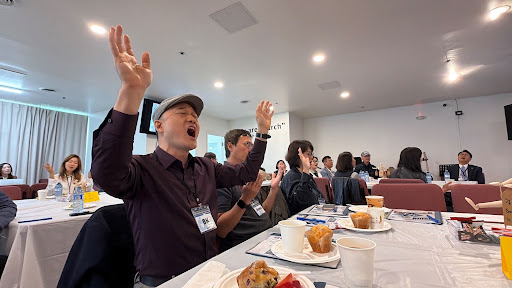
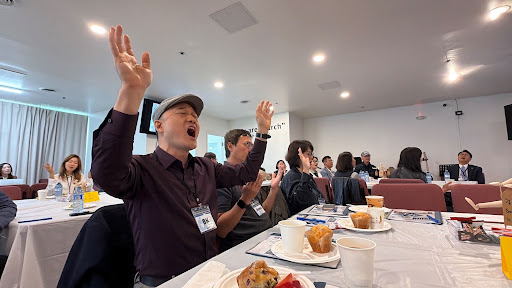
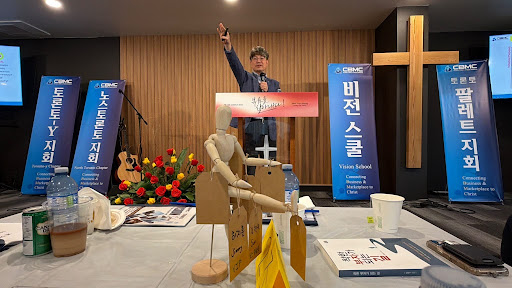
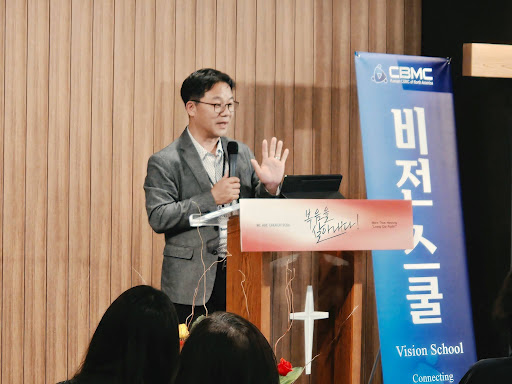
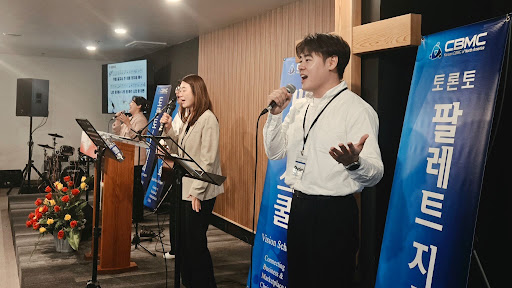
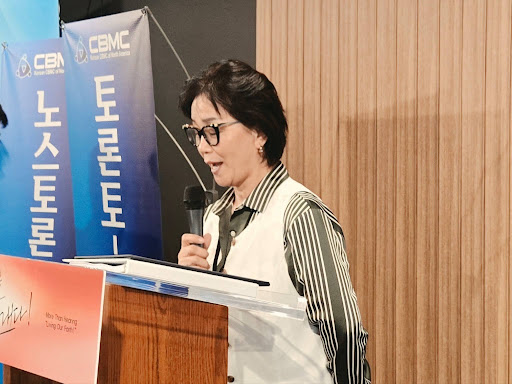
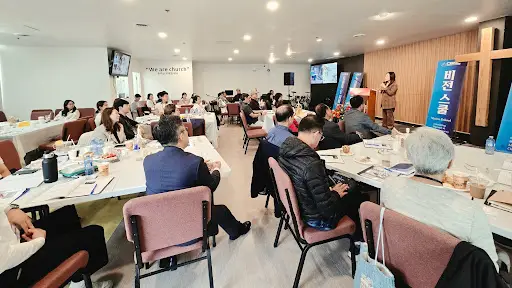
지난 9월 19일(토), 캐나다 토론토에서 제60기 KCBMC 비전스쿨이 은혜 가운데 열렸습니다. 지회원들과 VIP 및 자녀들을 포함해 60여 명이 함께한 가운데, 미국 여러 지역에서도 강사와 동역자들이 찾아와 CBMC의 비전과 사명을 함께 나누었습니다.
이번 비전스쿨에서는 개인의 변화, 일터사역, 지회사역, 그리고 한 사람을 세우는 Life-on-Life 사역에 이르기까지 CBMC의 핵심 가치와 사명을 배우고 나누는 시간이 이어졌습니다. 참가자들은 각자의 일터와 삶의 자리에서 하나님 나라를 어떻게 살아낼 것인지 다시 돌아보며 새로운 도전과 헌신을 다짐했습니다.
비전스쿨에 이어 오랜 기도와 섬김으로 준비해 온 토론토-Y 지회 창립식도 함께 열렸습니다. 초대 지회장으로 세워진 미셸 김 지회장과 새로운 동역자들은 기도와 섬김으로 하나님께서 기뻐하시는 공동체를 세워가겠다는 마음을 나누었습니다.
이번 만남을 통해 토론토 지역에 심겨 온 오랜 기도와 섬김의 씨앗이 새로운 세대로 이어지는 아름다운 열매를 보게 되었습니다. 토론토-Y 지회와 모든 일터 사역자들 위에 성령의 바람이 불어, 토론토 지역에 복음의 부흥과 풍성한 Life-on-Life의 열매가 이어지도록 함께 기도해 주시기 바랍니다.



by Esther

당신은 동업자 간의 분쟁을 해소하고 싶은가?
20 September, 2026 in 비즈니스 잠언
사람들이 같이 일을 하다 보면 분쟁이 발생하기 마련이다. 당신은 부서에서 언쟁이 벌어졌을 때 합세하거나 한쪽 편을 들고 싶은 마음이 있는가? 대신 중재를 하거나 조정관이 되어 보는 것은 어떤가? 성공적인 중재는 신뢰에서부터 시작된다. 공정성과 진실성이 없는 사람의 말은 누구도 들으려 하지 않을 것이다. 만약 당신이 중재하기 위해 싸움에 개입하게 되었다면 상황에 대한 사실들을 모아야 한다. 분명한 사실들을 끌어내기 위한 질문들을 해 보라. 항상 두 쪽 모두의 이야기와 사실이 있고 서로 거짓말을 조금씩 하게 된다. 만일 당신이 그 당사자들 간에 서로의 관점을 생각해 보게 만든다면, 항상 협의가 도출되는 타협안을 만들 수 있을 것이다. 서로를 존중해 주도록 하는 약속을 타결하면 당신은 중재자로서의 훌륭한 명성을 얻게 될 것이다.
Whenever people work together, conflicts are bound to arise. When an argument breaks out in your department, are you tempted to join in or take one side? Instead, why not become a mediator or peacemaker? Successful mediation begins with trust. No one wants to listen to someone who lacks fairness and integrity. If you step into a conflict to mediate, you need to gather the facts about the situation. Ask questions that help bring out the facts clearly. There are always two sides to every story, and each side may distort the truth a little. If you can help the people involved consider each other’s point of view, you can often find a compromise that leads to agreement. When you help them reach an understanding based on mutual respect, you will earn a strong reputation as a trustworthy mediator.
“슬기로운 자의 책망은 청종하는 귀에 금 고리와 정금 장식이니라” (잠 25:12)
“Like a gold ring or an ornament of gold is a wise reprover to a listening ear.” (Proverbs 25:12, ESV)